
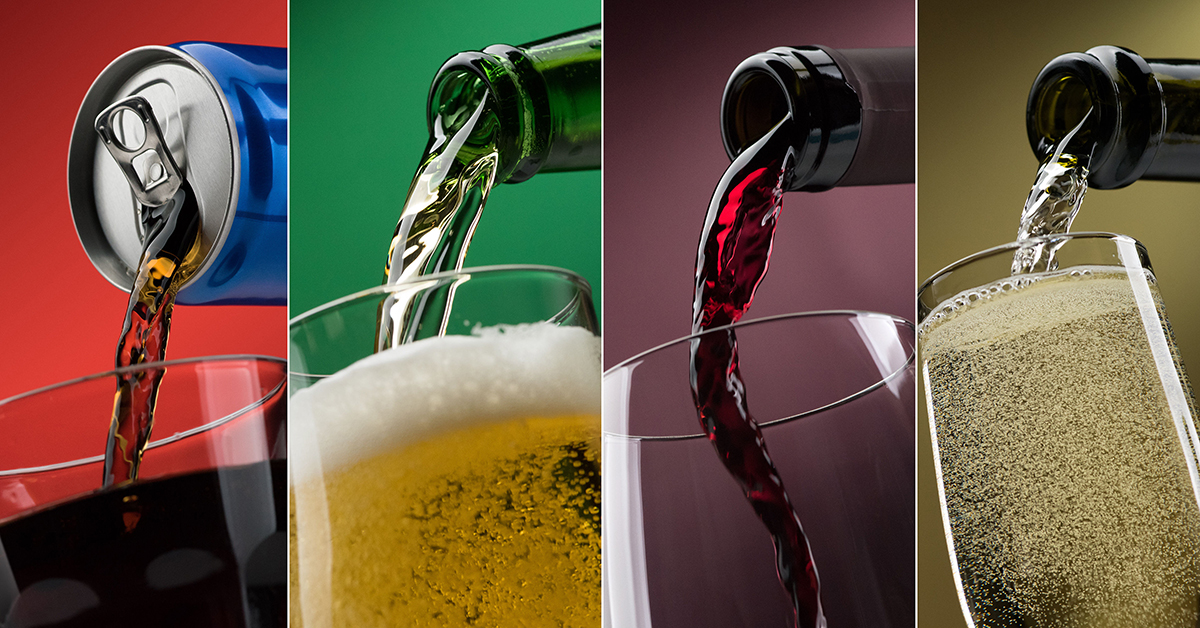
4 key steps to ensure NPD success with alcohol and no/low alcohol drinks
16 August 2021 | Eung Lee, Technical Expert
Right now, the alcohol and no/low alcohol markets are booming, and consumers are more open to innovative drinks products than ever before.
Premium hard seltzers, canned cocktails and non-alcoholic drinks are ‘consuming’ more of the market each year, quickly leading this sector to become the most diverse it has ever been. In fact, a new report from market research firm IWSR has found that the consumption of no/low alcohol, wine, spirits and ready-to-drink products is expected to grow 31% by 2024 across 10 markets, including Australia, Brazil, Canada, France, Germany, Japan, South Africa, Spain, the UK and the US.
What’s causing this expansion?
It’s believed to be driven by younger consumers looking for new and exciting trendy beverages, and drinks companies racking up their NPD to cater for this need and ensure their products stand out among the many that reach the market each year. Brewers will want to develop products that tap into this market and cater for the (often consumer-driven) trends as those who don’t may well be left behind. So, how can your brewery capitalise on this trend and reach this growing band of consumers?
Successfully delivering new drinks products - 4 key steps
1. Start small, trial many, choose one – save money with small scale NPD trials
When it comes to creating a new drinks product, knowing what will work (and taste great) and what won’t is half the battle. Yet there’s a simple solution. Starting small and brewing several different beverages allows you to assess each one, helping you decide which is most likely to succeed on the market. Volumes can begin as low as 25 litres or higher up to 40 plus bottles to help you assess a number of recipes each with a different fruit, flavouring, acidity, carbonation and colour etc.
You can potentially save money at this stage by choosing the right volume. Our team of brewing experts have previously helped drinks businesses save on cost at this step in the NPD process by advising on the brewing volume needed that’s suitable and fits the client’s budget. In many cases, this involves using our on-site 25 or 100 litre small scale brewing equipment.
2. Leave no stone unturned – consider all areas that could cause issues down the line
I’s crucial that you physically see the drinks products at this early NPD stage and consider every potential issue. A molehill at this step will become a mountain later down the line as the selected product is scaled up – potentially preventing it from reaching the market.
If you’re undergoing this NPD process with an external brewer, make sure you receive samples of all the drinks that you’re trialling so that you can assess the products yourself. This is something we offer as part of our brewing service while analysing every aspect of each drink in our in-house laboratory to ensure it fits the client’s aims and expectations. This analysis includes determining the alcohol content, pH, bitterness, gravity, carbonation level, haze, aroma, any off flavours and many other factors.
Once the drinks you’re trialling have passed these initial tests and met expectations, there’s one more additional trial that’s arguably the most crucial.
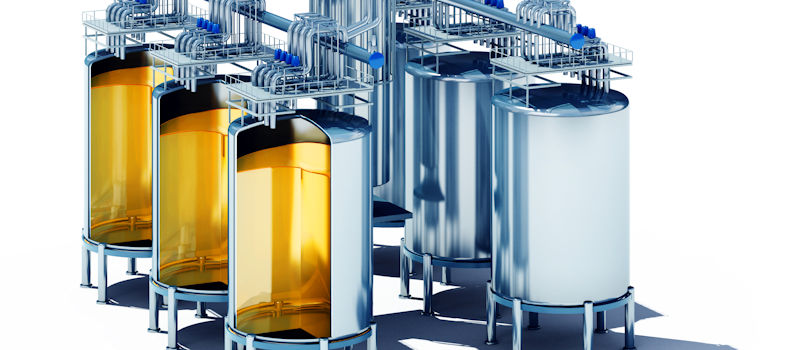
A drinks product that fits expectations when brewed at 25 litres can appear quite different when scaled up
3. Get an unbiased consumer perspective - (will consumers actually like it?)
Once you’ve selected the drink or drinks that pass your initial criteria, it’s important to understand what consumers think of the product. This helps you grasp the potential reasons why the product may not be a success at market. Using our dedicated beverage sensory panel, we’ve identified a number of reasons why consumers may find a drinks product unappealing. For example, feedback we’ve previously had with other drinks include them:
- tasting too bitter or sweet
- not being carbonated enough
- having an off-putting smell
- having an unusual flavour profile that doesn’t pair well with the colour.
Capturing these insights at this stage helps you reformulate the product to ensure it’s appealing to your target audience. If the prospective product proves a promising one, the final challenge is scaling up to make it market-ready – a step that sounds a lot easier than it is.
4. Scaling up – overcoming potential issues when brewing larger quantities
A drinks product that fits expectations when brewed at 25 litres can appear quite different when scaled up to the volume needed for mass production. It’s crucial then that this is accounted for and further testing is conducted during the scaling up step.
We’ve found a way to limit this impact by first scaling up brewing to 100 litres. This allows our team to then conduct further analysis to assess and resolve any slight impacts on the product at this early stage of the NPD process – helping overcome the issue before it becomes a much larger problem.
With this method, the 100 litre brewing run can then be reproduced on your production line to ensure no scaling up issues. As this volume is representative of greater brewing volumes, it’s at this point that if no issues occur with 100 litres then larger volumes can also be assumed to work without issue. However, if issues do occur then our experts can help using their experience in this area.
Need help with your drinks NPD?
From sourcing the raw materials to bottling, testing, assessing consumer liking and scaling up, at Campden BRI our team of experts provide a one-stop-shop to help you with your entire NPD process to ensure your new drinks products are a market success.
Our brewing experts have extensive experience with the NPD process, gained from helping hundreds of drinks businesses develop new alcohol and no/low alcohol products. This means they have tackled all the common challenges businesses face during this process, so they can easily help you overcome yours as they arise.
Develop new products that appeal to more consumers
Contact our expert today for help.
Become a member for NPD support
There are many benefits to becoming a member of Campden BRI. Find out what these are and join us today.