
PFAS in wine: What’s in your glass and how winemakers can stay ahead
8 January 2026 | Robert Pride, Senior Analytical Chemist – Wines Specialist
In recent years, PFAS (poly- and perfluoroalkyl substances) have become a major talking point across the food and beverage sector. Increasing awareness and concern among the public is highlighted in a recent article from the BBC. Known for their persistence and mobility, these ‘forever chemicals’ are now being investigated in everything from drinking water to packaging materials – and increasingly, wine.
For producers, retailers, importers and regulators, the big questions are clear:
- Can PFAS occur in wine?
- Where might they come from?
- Is PFAS a higher risk in wine than other matrices?
- How do we accurately detect them?
Here’s what the industry needs to know.
What are PFAS and why do they matter?
PFAS are a large class of synthetic chemicals valued for their resistance to heat, oil, stains and water. But the same properties that make them useful also make them persistent in the environment and difficult to degrade. All PFAS share carbon–fluorine bonds; among the strongest chemical bonds in organic chemistry, which contribute to their extraordinary stability.
With tightening global regulations and growing consumer scrutiny, the wine sector must be proactive in understanding potential risks.
Even very low concentrations may be of interest, particularly where producers export to markets with strict limits. But PFAS are not just a regulatory headache – peer reviewed studies also indicate that some of the compounds in this category may pose risks to both human health and the environment, including:
- Increased cancer risk: Certain PFAS chemicals – such as PFOA and PFOS – have been identified as potential human carcinogens. Long-term exposure has been linked to higher rates of kidney, testicular and other cancers.
- Thyroid and immune system impacts: Some PFAS compounds can disrupt normal hormone activity, contributing to thyroid disorders. Research also shows they can weaken the immune system, reduce vaccine effectiveness and increase susceptibility to illness.
- Developmental and childhood concerns: Exposure during pregnancy or early childhood of certain PFAS compounds has been associated with low birth weight, developmental delays, learning challenges and behavioural changes – making PFAS a particular concern for expecting parents and young families.
- Environmental persistence and global contamination: Because PFAS do not break down naturally, they accumulate in soil, water, wildlife and the human body. Trace levels have even been found in rainfall, Arctic ice and remote ecosystems, highlighting their widespread environmental persistence.
How PFAS can occur in wine
While grapes themselves are unlikely to contain PFAS naturally, these persistent chemicals can enter wine through several environmental and processing pathways:
- Pesticides: PFAS are sometimes added to pesticide formulations to enhance performance, helping sprays stick more effectively to plant surfaces and resist being washed away. This water-repellent behaviour can make treatments longer lasting and be more effective against pests and disease. PFAS residues from these pesticides can accumulate in soil, grapes, and surface or groundwater, introducing the chemicals into the vineyard ecosystem. PFAS can also degrade into smaller molecules that carry their own risks, such as the short-chain compound trifluoroacetic acid.
- Contaminated soil, irrigation or groundwater: PFAS are often present in industrial chemicals, antifoaming agents, paints, resins and cleaning products. Vineyards using water impacted by industrial discharge, firefighting foam residues or landfill leachate may inadvertently expose vines to PFAS.
- Atmospheric deposition: Highly mobile, PFAS can travel long distances through the air and deposit on soil, grape skins or vine canopy – particularly near urban or industrial areas.
- Soil and biosolid amendments: Historical application of biosolid fertilisers, composts or soil improvers containing PFAS can lead to plant uptake or surface contamination.
- Processing aids and winery equipment: Some coatings, lubricants, membranes or filtration materials may contain fluorinated chemicals. Over time, these can leach trace residues into must or finished wine.
- Packaging and bottling materials: Fluoropolymer-treated gaskets, hoses, pump seals or liners can contribute PFAS if they degrade over time or are not fully inert.
- Cross-contamination in the supply chain: Modern winemaking equipment such as barrels and stainless-steel storage tanks are not expected to contain PFAS. However, shared barrels, storage tanks, cleaning chemicals, or water treatment systems that concentrate PFAS may transfer low levels into wine during production.
Is PFAS a higher risk in wine than other matrices?
Some international surveys have observed the presence of both PFAS and derivatives of PFAS in wine and grapes, but how do the risks stack against other food matrices?
Let’s look at where PFAS are more commonly found and why:
- Fish and seafood tend to be the highest risk and consistently show the highest PFAS levels. PFAS accumulate in aquatic environments, especially downstream of industrial sites. Long-chain PFAS like PFOS bioaccumulate in fish tissue.
- Eggs (especially from free-range hens near contaminated areas). Elevated PFAS has been repeatedly documented in eggs from hens exposed through soil, insects or contaminated feed. Soil and insect ingestion can deliver PFAS directly into egg yolk/body tissues.
- Meat and organ meats – PFAS, especially PFOS, bind tightly to proteins, leading to accumulation in liver, kidneys and other blood-rich tissues. Organs involved in filtration tend to contain higher concentrations than muscle meat due to PFAS’s strong affinity for serum proteins.
- Dairy products – Cow’s milk may contain PFAS if livestock consume contaminated water or feed. PFAS bind to proteins; thus, milk and cheese can contain measurable levels.
- Leafy vegetables – PFAS can be taken up by plants from contaminated irrigation water or soil. Leafy greens (lettuce, kale, spinach) show higher uptake than root crops. High transpiration rates lead to more PFAS pulled into leaves.
- Fruits, vegetables and grains tend to have lower PFAS levels, unless grown near contaminated soil or irrigated with PFAS-impacted water. Plants do not bioaccumulate PFAS as strongly; uptake depends on PFAS type (short-chain PFAS accumulate more easily in plants).
- Processed foods contaminated via packaging – PFAS may appear not because of the food matrix itself, but mainly through migration from grease-resistant packaging (e.g. fast-food wrappers, microwave popcorn bags and greaseproof coatings) which contaminated the surface oils of the food.
Current data is limited (especially on UK-produced wines), but surveys of wines worldwide have identified only sporadic, low-level instances of PFAS contamination. Our partner, the Australian Wine Research Institute provided the following statement:
“Surveys of Australian wines by the Australian Wine Research Institute (AWRI) have found no indications of PFAS contamination related to the use of agricultural sprays. The AWRI and the Australian industry are committed to ensuring the safety and quality of wine.”
PFAS contamination varies across food matrices due to many factors such as bioaccumulation, protein binding, soil and water contamination, short-chain vs long-chain mobility, packaging migration, and processing. The wide variability and remaining knowledge gaps highlight the need for targeted monitoring and further research.
What can you do to minimise PFAS in your wine
- Use clean water or test irrigation water for PFAS in the vineyard. If contamination is found, consider alternative water sources or
water-treatment such as:
- Granular activated carbon (GAC): Absorbs PFAS molecules from contaminated water. However, be aware it requires regular media replacement to remain effective.
- Anion exchange resins: Swap PFAS compounds for safe ions, offering high efficiency for shorter-chain PFAS where GAC may be ineffective.
- Reverse osmosis (RO): A high-pressure filtration method that physically prevents PFAS molecules from passing through the membrane, making it especially effective for high-risk locations and drinking water treatment.
- Review all materials that come into contact with wine – hoses, gaskets, filters, membranes, storage/transport containers – and avoid fluoropolymer-based components (often containing PFAS). Instead, use alternatives such as food-grade silicone, EPDM rubber, or filters made from cellulose or polyether sulfone. Ensure suppliers provide documentation or certification that materials are ‘PFAS-free’.
- Consider clean agricultural practices that minimise or eliminate the use of synthetic or fluorinated pesticides in conventional vineyards, or by adopt organic or biodynamic systems.
- Source PFAS-free pesticide alternatives. Switch to non-fluorinated alternatives. Further information on non-fluoride-containing pesticides can be found via the European Chemicals Agency (ECHA) website. A list of approved PFAS active substances is also available via the PAN Europe website.
- Implement an internal PFAS monitoring and quality control plan.

Why accurate PFAS testing matters for the wine industry
Regulatory compliance: Authorities worldwide are tightening PFAS guidelines. Early surveillance ensures producers can demonstrate due diligence and quickly respond to retailer or export requirements.
Brand protection: Proactive testing helps avoid surprises that could lead to reputational damage or supply chain disruption.
Quality assurance from grape to bottle: Testing can help pinpoint whether PFAS originate from environmental sources, equipment or packaging – helping wineries address issues at their origin.
PFAS testing with Campden BRI
PFAS testing helps wineries and vineyards ensure regulatory compliance, safeguard consumer health and protect brand reputation. By identifying contaminants, it allows producers to pinpoint their source – whether from irrigation water, equipment, filtration aids, packaging or environmental deposition – and implement effective mitigation strategies. Testing across the wider supply chain, including packaging and process water, provides insight into potential PFAS pathways, while ongoing monitoring programmes offer continuous assurance, supporting compliance, customer confidence and audit readiness.
UK wine producers membership
We're now offering a ‘UK wine producers membership’, designed specifically for UK wineries and vineyards to access high-quality support in a way that suits the pressures and realities of the industry.

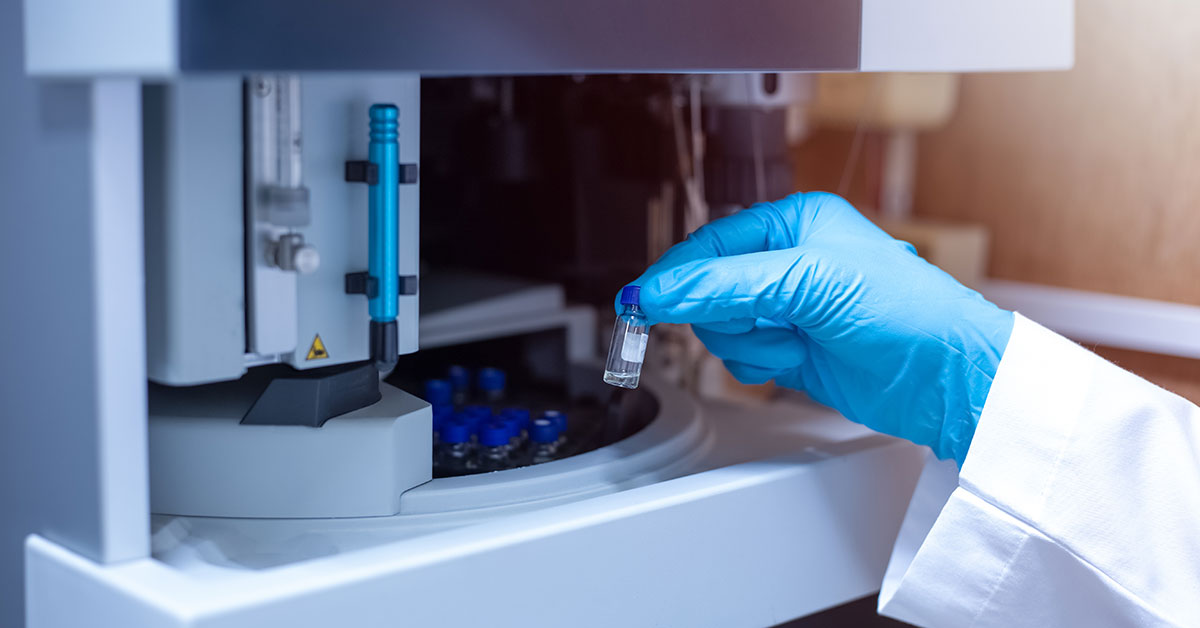
We use state of art technology and techniques to measure PFAS in many matrices including wine, beer, spirits, food and food simulant to date. We offer the tailored expertise needed to navigate PFAS testing in a complex matrix like wine. Using validated, wine-specific methods designed to overcome the challenges posed by acidity, alcohol and colour, we can detect PFAS reliably at trace levels. Analysis is performed via LC/MS/MS with isotopic internal standards and is sensitive down to 0.1 µg/L.
Target analytes:
- Perfluorobutanoic acid (PFBA)
- Perfluoropentanoic acid (PFPeA)
- Perfluorohexanoic acid (PFHxA)
- Perfluoroheptanoic acid (PFHpA)
- Perfluorooctanoic acid (PFOA)
- Perfluorononanoic acid (PFNA)
- Perfluorodecanoic acid (PFDA)
- Perfluoropentane sulfonic acid (PFPeS)
- Perfluorhexane sulfonic acid (PFHxS)
- Perfluoroheptane sulfonic acid (PFHpS)
- Perfluorooctane sulfonic acid (PFOS)
- Sodium dodecafluoro-dioxanonanoate (NaDONA)
- Hexafluoropropylene oxide dimer acid (HFPO-DA)
- 3-Chlorohexadecafluoro-3-oxanone -1-sulfonic acid (3Cl-PF3ONS)
- 11-Chlorohexadecafluoro-3-oxanone -1-sulfonic acid (11Cl-PF3ONS)
Additional analytes may be offered bespoke – contact our team to discuss further.

About Robert Pride
Robert Pride is Senior Analytical Chemist – Wines Specialist and manager of the Campden Wine Services laboratory.
Prior to joining Campden BRI, Robert was Area Manager – Laboratory for Pinnacle Drinks, a part of the Endeavour Drinks Group. Robert completed a Bachelor of Science – Forensic and Analytical chemistry at Flinders University before joining the Australian wine industry, where he has held technical positions for the last 12 years.
Robert has extensive experience managing ISO/IEC 17025 accredited laboratories at Yalumba and Vinpac International and is also a Technical Assessor for Australia’s accreditation body, the National Association of Testing Authorities (NATA). Robert developed extensive knowledge of wine chemistry, microbiology, production, and packaging through his time with Yalumba and Pinnacle Drinks with a focus on continuous improvement, food safety and process driven analysis. Robert is also a former Chairperson and Statistics Secretary of the Interwinery Analysis Group (IWAG), a not-for-profit proficiency testing association and global support network with accreditation to ISO 17043 and over 200 worldwide members.
Robert has recently relocated to the UK where he hopes to help improve the growing wine industry.
How can we help?
If you’d like to find out more about bud fertility assessments for the upcoming season, get in touch.
Are you a Campden BRI member who attends the MIG meetings?
- If not, you’re missing out on a whole host of exclusive benefits such as networking and learning from industry-leading experts.