
From kitchen to factory: The importance of pilot plant production in product scale-up
13 October 2026 | Philip Spratt, Product and Ingredient Development Lead
A product that performs perfectly in the development kitchen can behave very differently when exposed to industrial equipment, processing and scale.
To de-risk product development and set up products for a successful launch, a key upscaling step is to use pilot-scale trials to identify and solve these issues before committing to full scale trials or commercial production. In this way, pilot plant trials can be used to bridge between kitchen samples and factory production.
Where does a pilot plant fit in food/drink product development?
Scaling up is usually much more complex than producing a bigger batch, as recipe scaling is not always linear, and there are many differences in the equipment and processes that recipes are subjected to at pilot/factory scale compared to kitchen/bench scale.
Such processes may include:
- High-shear mixing
- Extrusion
- Drying and dehydration
- Homogenisation
- Heat treatment and thermal processing
- Pumping and transfer operations
- Filling and packaging systems
- Cooling and freezing processes
Pilot-scale trials provide an important bridge between the development kitchen and factory production.
Pilot-scale production enables you to make representative samples under realistic manufacturing conditions, so that any upscaling challenges are not discovered too late once the project reaches factory production.
Typical pilot plant equipment includes smaller-scale versions of full commercial processes. For example, Campden BRI pilot plant facilities include:
- Sample and ingredient preparation (for e.g. blanching, meat processing, hot air and freeze drying)
- Mixers, blenders, homogenisers
- Bakery equipment (e.g. provers, moulders and ovens)
- Thermal processing equipment for a range of processes, processing conditions and product formats:
- Retorts (steam, steam/air, water immersion, raining water)
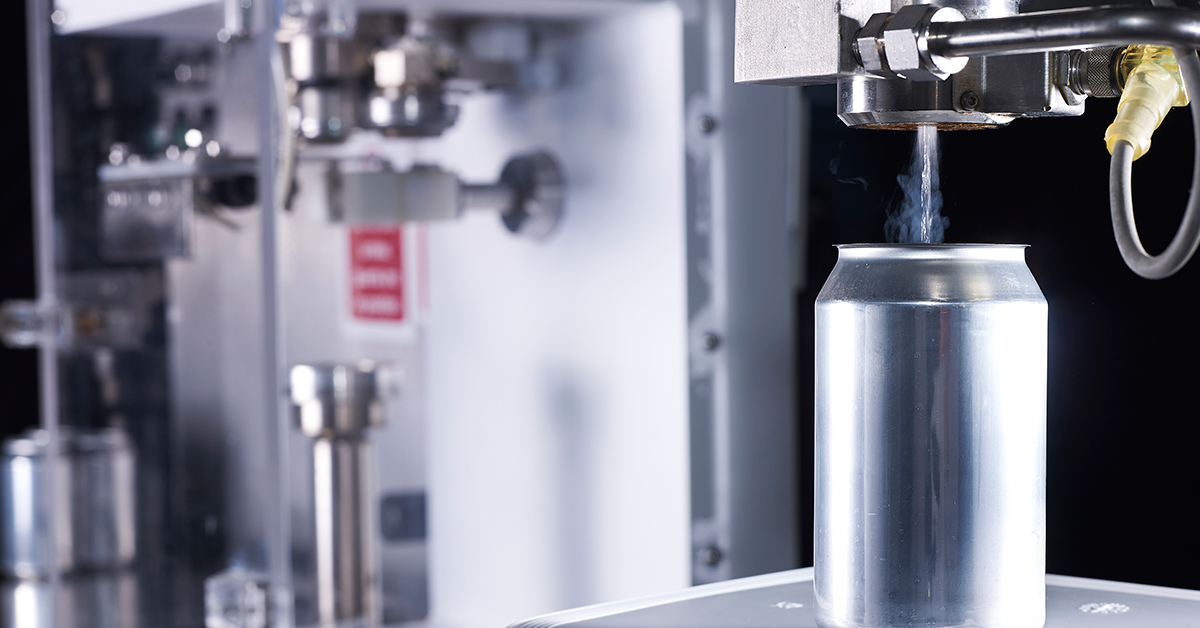
- Canning and aseptic processing
- Pasteurisation tanks
- Steam–jacketed pans, batch pressure cooking and cooling vessels
- UHT and pasteurisation heat exchangers, as well as temperature monitoring equipment
- Non-thermal and new processing technologies
- Air blast chillers and freezers
- Drink/beverage production:
- Preparing ingredients, processing drinks, filling/packing
- Drinks carbonators and a citrus multi–juicer
- HTST/UHT unit with tubular and plate heat exchanger capabilities
- Wide range of packaging equipment (e.g. can seamers, glass capper, modified atmosphere packaging MAP bag and tray sealers, multivac pouch sealer)
- Packaging testing facilities (including a temperature-controlled packing area and packaging testing equipment, supported by our packaging lab)
Understanding the impact of industrial manufacturing: Common scale-up challenges
Common scale-up challenges revealed through pilot plant trials may include:
- Product quality challenges
- Changes in texture and mouthfeel
- Ingredient separation
- Changes in viscosity
- Moisture management issues
- Colour and flavour drift
- Manufacturing challenges
- Poor flowability
- Equipment fouling
- Inconsistent processing performance
- Liquid foaming
- Long/inefficient production times
- High losses/waste
The cost and time invested in pilot-scale trials may often be far lower than the consequences of discovering scale-up challenges during factory trials or even commercial production.
Some example problems (which are best found in the pilot plant, not the factory), by product category, may include:
- Sauce: A recipe that thickens well in a kitchen mixer could, for example, become too viscous for industrial pumping and filling.
- Soup/sauce/drink: In some cases, industrial mixing, pumping and other processing can result in a thinner end product than what is expected or desired when compared with kitchen samples.
- Drink/beverage: A stable bench-top emulsion could separate as a result of homogenisation and thermal treatment.
- Bread/bakery: Mixer and oven differences can have various impacts when scaling up.
- Snack product: Commercial-scale extrusion can impact texture outcomes.
- Dairy and dairy alternatives: Heat treatment can create unexpected flavour changes that may not have been observed earlier in development.
Based on the potential challenges that upscaling can present, pilot trials should seek to answer some key questions, such as:
- Can the product be manufactured consistently?
- Will quality attributes be maintained at scale?
- Are processing parameters robust?
- What are the likely production yields?
- Are ingredient costs still viable at scale?
FREE webinar - Reducing risk and improving speed to market in food and drink NPD
This webinar will explore how to develop better products, reduce risk and get to market faster.

Reducing risk for a confident commercial launch
Finding challenges early, through piloting, means they can be addressed before commercial launch.
Pilot scale production trials can help businesses avoid factory disruptions and waste, reduce reformulation cycles, build launch confidence for all stakeholders, and accelerate time to market.
Pilot trials also provide the opportunity to improve quality, shelf-life and stability by generating samples under representative conditions. These samples also provide a means of starting shelf-life testing, assessing microbiological stability and evaluating packaging compatibility.
A pilot plant is a critical environment for understanding how a product responds to real manufacturing conditions, identifying technical and operational risks, and ensuring that a promising prototype can be transformed into a commercially viable product.
Product innovation, optimisation and lifecycle support
We provide support with end-to-end product development, onward quality management and more. This includes expert support with scale-up and the planning, execution and troubleshooting of pilot scale production, so that you can maximise the benefits of this important step!
Our unrivalled technical support for product innovation, optimisation and lifecycle helps our members and clients from ideation through to successful launch, as well as managing ongoing quality alongside future changes and risks. We bring together all the expertise you need to make the right decisions, overcome challenges and conquer your market.
No matter your challenge or stage of project, our team of technical experts can provide you with the right support, tailored to your needs.

About Philip Spratt
Phil has over 20 years’ experience of bringing new products to market across both food and beverages. When you are developing a new product, Phil can help you bring together the information, tools and expertise you need make to the best decisions, overcome challenges and conquer your market.
How can we help?
Get in touch to discuss your pilot plant trial needs.
Product innovation, optimisation and lifecycle support
End-to-end product development, onward quality management and more for your food and drink products.