
How effective are your virus control strategies?
12 February 2026 | Annette Sansom, Section Lead – Emerging Microbiology Group
Norovirus is one of the leading causes of foodborne illness globally and there is growing concern about hepatitis A (HAV) and hepatitis E (HEV). The control of foodborne viruses is therefore of increasing importance for the food industry and the wider public.
However, while the volume of research on the control of foodborne viruses is growing, particularly in prevention and mitigation strategies, challenges around foodborne viruses persist.
There are two key reasons for this. Firstly, the resilience of foodborne viruses and their ability to persist in the environment make them particularly hard to control in food production settings. And secondly, concerns around virus detection, and the inability to determine whether a detected virus is infectious or not, remains a challenge.
This blog explores why virus detection remains challenging, what technologies are currently available, emerging innovations, and how our research can help food producers improve their virus control strategies.
Why foodborne virus control is so important
When it comes to viruses, the three most common ones of concern for the food and beverage industry are norovirus, hepatitis A and hepatitis E.
Norovirus is highly contagious, with symptoms including nausea, vomiting, diarrhoea and abdominal pain. Similarly, hepatitis symptoms can include headache, nausea, vomiting, abdominal pain and jaundice.
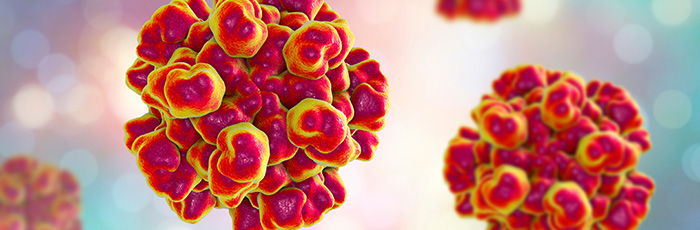
The viruses themselves are all non-enveloped RNA viruses and are primarily transmitted via the faecal (and vomitus)-oral route, through ingestion of contaminated food or water, or through person-to-person contact.
While they are all often linked to contaminated fresh and frozen produce and shellfish, hepatitis E is also associated with zoonotic transmission from some animals, including pigs, and infections can occur via consumption of contaminated meat products.
Given the wide range of symptoms and transmission routes that foodborne viruses present, it is important to gain greater control of them.
The role of virus detection in food safety
While viruses cannot grow on food, they can be carried by it, which causes illness when they are ingested.
Virus detection methods such as real-time reverse transcription polymerase chain reaction (RT-PCR) support food safety management by helping businesses monitor for potential contamination.
While these methods cannot determine whether a food product is safe or whether a virus is infectious, they provide valuable information that contributes to risk-based decision-making within a broader food safety system.
The most commonly used technologies for detecting viruses
The most used technologies for virus detection in food products rely on genomic detection methods.
There is an ISO standard method for detection of norovirus and hepatitis A (ISO 15216), using real-time RT-PCR to detect viral RNA extracted from food samples. Viral material is isolated from the sample, the genetic material is purified, and a sensitive molecular assay determines whether viral RNA is present. This remains the validated industry standard for identifying norovirus and hepatitis A in foods.
We offer this testing as a service and have recently added a method for the detection of hepatitis E virus from pork and pork products.
Current challenges with virus detection
A major challenge in virus detection is the inability to determine whether a detected virus is infectious. This is because current methods like RT-PCR can only identify the presence of viral RNA, which could possibly persist even if the virus is no longer capable of causing an infection.
Unfortunately, there are no readily available culturing methods that allow for infectivity testing for the key foodborne viruses. In addition, virus recovery rates from complex food matrices can be low. A lack of standardised detection protocols across different food types also means that it is often the same food types that undergo testing; with other potentially at-risk foods going without.
These limitations can hinder efforts to monitor and control viral contamination. Such challenges can also impede the ability to assess the true risk posed by detected viruses and to validate the effectiveness of control measures.
New innovations in virus detection
While real-time RT-PCR remains the only validated and widely accepted method for routine foodborne virus detection, and the method we use in our testing services, researchers across the wider scientific community are actively exploring several emerging technologies that may strengthen virus detection in the future.
Technologies such as RT LAMP (Reverse Transcription Loop-mediated Isothermal Amplification) and ddPCR (droplet digital PCR) are being investigated to allow faster and more precise RNA detection.
With improved recovery methods, next generation sequencing may also offer deeper genetic insight, while immunoassays and biosensor based systems are being explored for rapid or real time protein detection. These approaches are promising but remain at the research or early development stage and are not validated for routine food industry testing.
Microbiology: Protect your business and your customers
Protect your customers and your brand from risk with Campden BRI’s unique wrap around testing and advisory microbiology solutions.
Our contribution: Practical support for virus control strategies
While these emerging detection technologies continue to develop, our work focuses on areas where we can support food businesses now. A major part of this is our applied research to evaluate the effectiveness of virucidal treatments for food and food production environments.
This includes:
- Studying virus persistence on surfaces and in foods;
- Assessing the impact of decontamination methods such as heat, UV C, fogging and biocidal washing;
- Using appropriate virus surrogates to understand the real world effect of control measures on infectivity.
This work enables food producers to make evidence based decisions about the control strategies that are most effective for their products, processes and production environments.
In conclusion
There are now effective methods available for the detection of food-relevant viruses in food, water and the environment, as well as for verifying the efficacy of virus control strategies.
However, while good progress has been made to control viruses in food, more work still needs to be done.
We offer a range of services to detect and control viruses in foods:
- Detection of norovirus GI / GII, hepatitis A and hepatitis E.
- Tailored guidance on foodborne viruses, the threat they pose to specific products and options for control.
- Trials to validate specific approaches to virus control, including evaluating the effectiveness of virucidal treatments.
- Bespoke training and briefing sessions on viruses as a hazard, their control and how to handle contamination incidents.
Get in touch for support.

About Annette Sansom
Annette has a wealth of knowledge and experience from working at Campden BRI since 1998, always within Microbiology.
Annette’s food and drink industry interests are: microbiology including bacteria, viruses, fungi and protozoa; food safety; food spoilage; fresh produce microbiology including vertical farming and methods to describe microbial populations.
Need support in this area?
Get in touch if you need help with viruses or other food microbiology support.
More on microbiology
Discover more about the wider microbiological testing and support services we offer.