


Benedict’s Law and the food industry: Strengthening allergen safety in schools
24 September 2026 | Katie Carter – Safety, Quality and Food Allergens Specialist
Food allergies are a growing concern in schools across the UK, with millions of children living with allergic conditions and many at risk of potentially life-threatening anaphylaxis. The introduction of Benedict’s Law marks a significant step forward in protecting pupils with allergies by establishing a consistent, whole-school approach to allergy management (including food allergies) and emergency preparedness.
For caterers, food manufacturers and food/ingredient suppliers working with schools, as well as allergy training providers, this new statutory guidance reinforces the importance of robust allergen management systems, well-trained staff, clear communication with schools and strong food safety culture – all to help protect pupils with food allergies.
What is Benedict’s Law?
Benedict’s Law is named in memory of Benedict Blythe, a five-year-old boy who tragically died following an allergic reaction at school in 2021. Following extensive campaigning by his family, allergy charities, clinicians and the National Allergy Strategy Group, the UK Government introduced new statutory requirements designed to improve allergy safety in schools across England.
The Department for Education has now published Allergy Safety in Schools ‘Statutory guidance for governing bodies of maintained schools and proprietors of academies in England’. The guidance establishes a national framework for managing allergies in educational settings and aims to implement standardised approaches and ensure the application of best practice.
Why effective allergen management matters
Allergies can range from mild reactions to severe anaphylaxis requiring immediate treatment. Schools are increasingly called upon to support pupils with food allergies and other allergic conditions.
A robust allergen management programme helps schools:
- Protect pupils from accidental allergen exposure;
- Promote inclusion and participation in all school activities;
- Increase staff confidence in recognising and responding to allergic reactions;
- Meet legal and safeguarding responsibilities;
- Provide reassurance to parents and carers.
The key requirements of Benedict’s Law
Under the new statutory guidance, schools are expected to implement several core measures, summarised in points 1–4 below.
- Whole-school allergy safety policy: Schools must develop and publish a dedicated allergy safety policy which should be reviewed regularly and be readily accessible.
- Allergy awareness training for all staff: One of the most significant changes is the requirement for comprehensive allergy training across the entire school workforce including teaching staff, lunchtime supervisors, office staff, transport personnel, caretakers, and other employees who interact with pupils.
- Spare adrenaline auto-injectors (AAIs): Schools are now expected to hold spare, in-date AAIs that can be used during an emergency anaphylactic reaction.
- Individual healthcare plans (IHPs): Pupils known to have significant allergies should have an Individual Healthcare Plan which should be developed in partnership with parents, healthcare professionals, and relevant school staff and reviewed regularly.
Creating an allergy-aware environment in schools
While legal compliance is essential, effective allergen management requires a proactive safety culture with schools focusing on becoming allergy-aware environments, promoting vigilance and shared responsibility among staff and pupils.
For example, schools, their catering teams and suppliers need to work closely to ensure effective communication and controls with respect to food allergens.
School catering teams play a vital role in food allergy management by:
- Maintaining accurate allergen information for ingredients and recipes;
- Preventing cross-contact during food preparation;
- Clearly communicating allergen risk;
- Following documented allergen control procedures.
Food and ingredient suppliers serving schools play a critical role in allergen management. To help protect pupils with food allergies and support safe meal provision, suppliers should:
- Provide accurate, clear and up-to-date allergen information for all products supplied;
- Consider and communicate the risk of allergen cross-contact, including the appropriate use of Precautionary Allergen Labelling (PAL, such as "may contain" statements), where justified;
- Proactively notify school catering teams of any recipe, ingredient or formulation changes that affect allergen content;
- Ensure allergen information is readily accessible and communicated in a format that enables catering staff to make informed decisions when planning and preparing meals.
Another important element for schools to get right is the planning for educational visits and events. Risk assessments should consider allergy management during all events and visits, as well as celebrations involving food.
The new statutory guidance emphasises incident reporting. For any near misses and allergic incidents (which provide valuable learning opportunities), schools should record, investigate, and review incidents to identify improvements in procedures and training.
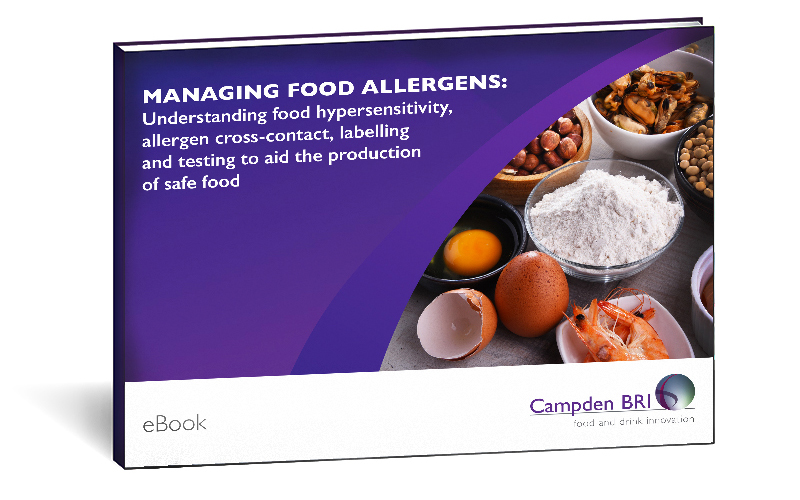
Download our FREE Managing Food Allergens eBook today! Secure food safety, control and confidence through effective allergen management
Resources available for schools
Anaphylaxis UK provides a range of free resources that can support implementation of Benedict’s Law, including:
- AllergyWise® educational materials;
- Allergy awareness posters;
- School guidance documents;
- Training resources;
- Practical tools for developing policies and procedures.
These resources can help schools improve staff knowledge, strengthen emergency preparedness, and embed good allergen management practices throughout the organisation.
The impact for the food industry
Benedict’s Law represents a landmark change in allergy safety within English schools. By introducing mandatory allergy policies, staff training, spare emergency medication, and individual healthcare planning, the legislation creates a more consistent and effective framework for protecting children with allergies.
Benedict’s Law is directly relevant to food businesses involved in school catering, supply or support services because it raises expectations around allergen control, accurate information sharing and emergency preparedness.
Specifically, food industry impacts include:
- School caterers and food service providers will need robust allergen controls, clear procedures and well-trained staff to support schools in meeting their duties;
- Ingredient suppliers and manufacturers serving schools must provide accurate, up-to-date allergen information and manage formulation changes carefully;
- Contract caterers may need to review menus, specifications, labelling, allergen matrices and communication processes with schools;
- Training providers and consultants have an opportunity to support schools and food teams with allergen awareness, risk assessment and emergency preparedness;
- Food safety culture becomes even more important, as allergen management is not just a compliance issue but a safeguarding matter;
- Reputational and legal risk increases for businesses whose poor allergen controls could contribute to an incident in a school environment.
For schools, compliance is more than meeting a statutory requirement; it is about creating a culture where pupils with allergies feel safe, included and supported. Through robust allergen management, regular training and the use of trusted resources from organisations such as Anaphylaxis UK, schools can significantly reduce the risk of incidents, as well as ensure they are prepared to respond confidently should an allergy emergency occur.
Useful resources include:
- Anaphylaxis UK – Benedict’s Law
- GOV.UK – Allergy Safety in Schools Statutory Guidance
- Anaphylaxis UK – Free AllergyWise® Resources
How we can help food businesses
We provide tailored, expert support across all aspects of food allergen management, helping food and drink businesses control risk with confidence – from supply chain to finished product.
No matter where your business is on its food allergen management journey, we can help you control allergen risk with confidence. By working with us, your business can benefit from:
- Specialist allergen and food safety expertise;
- Practical, proportionate, risk-based advice;
- Support aligned with regulatory expectations and best practice;
- Confidence in controls, labelling and decision making.

About Katie Carter
Katie has over 15 years’ experience in the food industry within the FMCG sector. Her career began as a Forensic Scientist before transitioning to food safety, quality, technical, quality systems and compliance roles within food commodity and beverage manufacturing.
Her expertise includes the implementation and continuous improvement of Food Safety Management Systems, allergen management, auditing, HACCP, TACCP and VACCP.
She specialises in food safety systems including allergen management within the Campden BRI Global Safety and Quality team, delivering training and consultancy to support clients in managing food safety risk and ensuring compliance.
How can we help?
If you work with schools, or need help interpreting how this statutory guidance affects you, get in touch.
Managing food allergens with confidence
Protect consumers. Safeguard your brand. Strengthen compliance.