

Food allergen management: Building strength through investing in people and culture
20 August 2026 | Katie Carter, Safety, Quality and Food Allergens Specialist
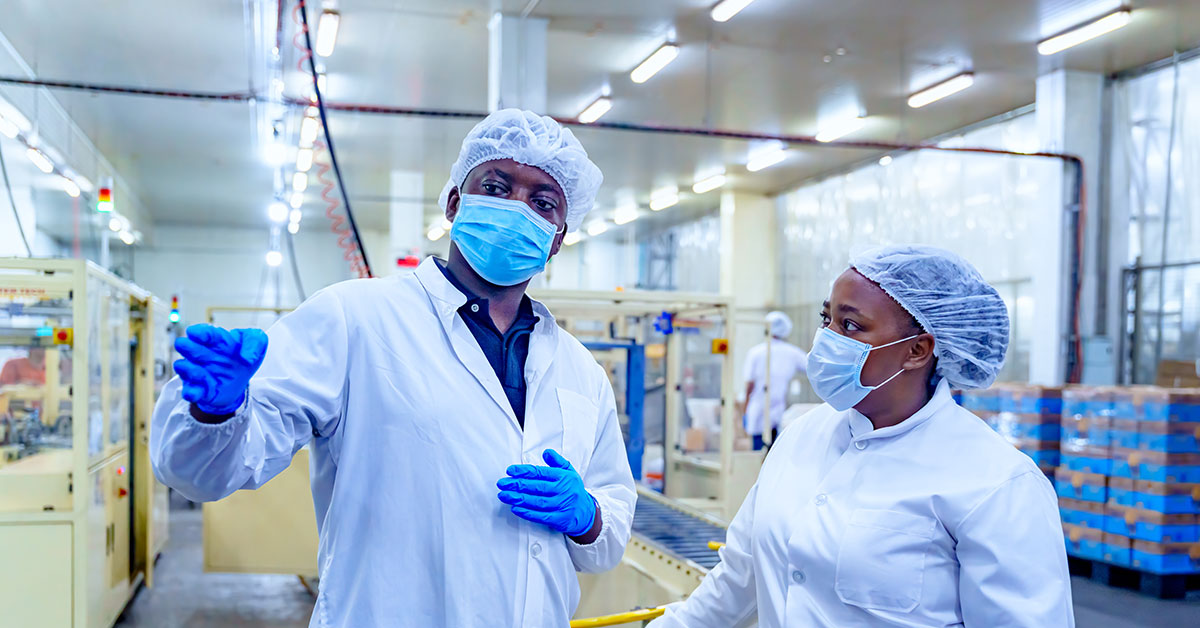
In food and drink manufacturing and the associated management of food allergens, systems, procedures, and certifications often take centre stage.
Yet, the true strength of any food safety system lies not in the paperwork or the processes alone, but in the people who implement them.
Determining the success or failure of food allergen management are the daily decisions, behaviours and levels of awareness of individuals across the organisation (from senior leadership to production operatives), which ultimately impact on whether controls are effective in practice. Procedures can specify allergen segregation, cleaning validation, and label verification, but their success depends entirely on consistent human execution. For example, a well-written work instruction is meaningless if it is not understood, valued and applied on the factory floor.
The human element of allergen management
Human factors such as communication, training, competence, fatigue and workplace culture all play a decisive role in the effectiveness of allergen management. For example, a miscommunication during a product changeover, a lapse in concentration during label checks, or a lack of confidence to challenge a deviation can quickly lead to costly and potentially dangerous errors. These are not failures of systems alone but of how those systems are embedded in people’s behaviours and supported by the organisation.
A strong food safety culture can act as a powerful safeguard. When employees feel responsible, empowered and engaged, they are more likely to follow procedures diligently, report concerns, and intervene before issues escalate. Leadership commitment is key in setting expectations, modelling the right behaviours, and creating an environment where food safety is prioritised over convenience or speed.
Effective allergen management, therefore, requires more than technical controls; it necessitates investment in people.
This includes meaningful training (that goes beyond compliance), clear communication, ongoing reinforcement, and a culture that encourages vigilance and accountability.
Well-designed systems set the standard, but it is people who apply them consistently, spot when something is not right, and take appropriate action. Businesses that recognise and invest in this human element will not only protect consumers but will also build resilience, trust and long-term credibility.
Protecting consumers
At its core, allergen management is about protecting lives. Food allergies can trigger reactions ranging from mild discomfort to severe, potentially fatal anaphylaxis. For those living with allergies, trust in food labels and manufacturing practices is non-negotiable. However, trust is only as strong as the individuals responsible for maintaining it.
Well-trained employees understand:
- The severity of allergen risks
- The importance of strict adherence to procedures
- How small lapses can have significant consequences
When people are equipped with the right knowledge, they move beyond simply “following rules” to actively safeguarding consumers.
Employee competence
The provision of accurate allergen information for consumers relies upon precision in labelling, traceability and documentation. But systems don’t enforce compliance, people do.
Without proper training:
- Labels can be misinterpreted or incorrectly applied
- Documentation may be incomplete or inaccurate
- Critical control points can be overlooked
Allergen training provides the foundation of knowledge and skills to ensure employees understand what to do. Competence builds on this with why it matters, ensuring employees demonstrate the ability to apply their knowledge and skills effectively in practice.
This deeper understanding helps businesses to:
- Meet legal requirements for producing safe food
- Prevent costly recalls and enforcement action
- Maintain continuous audit readiness
A truly compliant system is not defined solely by documented procedures, but by its consistent application. This can only be achieved when individuals are competent and equipped with the knowledge, practical skills and confidence to make the right decisions every time.
Ongoing allergen training ensures that employees:
- Stay informed about emerging risks
- Adapt to process and product changes
- Continuously improve their knowledge and skills
Training is not a one-time activity; it is a continuous investment in capability and resilience.
Food safety culture
Effective allergen management is closely linked to robust prerequisite programs (PRPs), such as supplier approval, hygiene, cleaning and traceability systems, all of which rely on the actions of competent employees to function correctly.
A strong food safety culture is built on shared understanding and accountability. Allergen training plays a vital role in shaping this culture by embedding awareness across the organisation.
When people understand the real-world impact of allergens:
- They take ownership of their responsibilities
- They challenge unsafe behaviours
- They contribute to continuous improvement
This cultural shift transforms food safety from a compliance exercise into a collective commitment. In this environment, people don’t just follow systems, they strengthen them.
FREE webinar - Allergen controls: Are your PRPs actually protecting you and are you ready for future changes?
This webinar will explore why allergen control should be viewed as an outcome of an effective food safety management system, rather than a standalone activity.

Reducing the risk of cross-contamination
Cross-contact is one of the most significant allergen risks in manufacturing environments. Even in facilities with strong controls, human error remains a leading cause of incidents.
Appropriately trained and competent employees will help prevent mistakes such as:
- Incorrect use of shared equipment
- Inadequately followed cleaning procedures
- Improper ingredient storage
- Rework or waste stream mismanagement
These risks are controlled through a combination of well-designed, documented processes and strong operator competence.
But, procedures only work when people understand and respect their purpose.
Training empowers staff to:
- Recognise high-risk situations
- Apply segregation practices
- Accurately follow validated cleaning processes
- Handle allergens with care and consistency
Protecting brand reputation
A single allergen-related incident can have far-reaching consequences for brand reputation and consumer trust. Even the most well-designed systems cannot protect a business if they are not consistently and correctly executed.
By investing in allergen awareness (through structured training and competency programmes) and embedding allergen controls into robust operational practices and strong food safety culture, businesses can:
- Demonstrate a clear commitment to consumer safety
- Reduce the risk of allergen incidents and costly recalls
- Build confidence among consumers, customers, regulators and other stakeholders
Supporting continuous improvement
The food industry is constantly evolving – with new ingredients, product lines and manufacturing processes introducing new allergen risks.
In this dynamic environment, maintaining effective allergen control requires:
- Regular refreshers of allergen training
- Ongoing competence assessment
- Continuous review of prerequisite programmes
Embedding allergen awareness within a culture of continuous learning ensures teams stay up to date with compliance expectations and best practice.
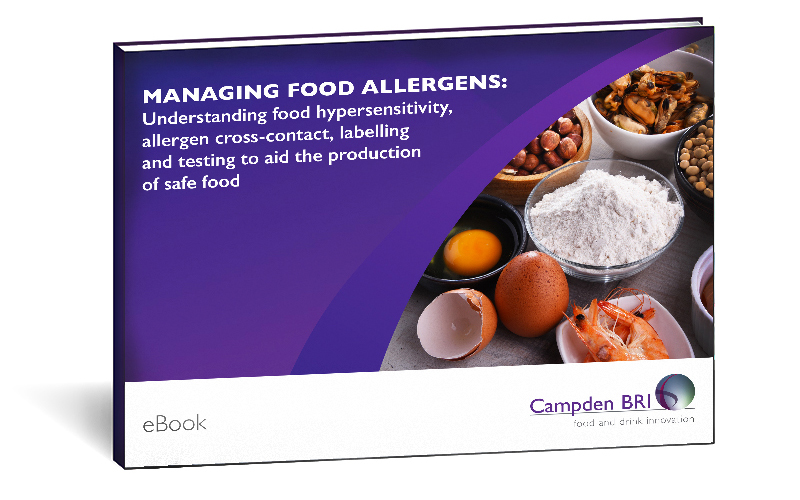
Download our FREE Managing Food Allergens eBook today! Secure food safety, control and confidence through effective allergen management
Controlling allergen risks with confidence – we are here to help
Food allergen management systems, no matter how detailed, are only effective when supported by knowledgeable, engaged and accountable people.
We provide tailored, expert support across all aspects of food allergen management, helping food and drink businesses control risk with confidence – from supply chain to finished product. By working with us, you gain access to practical, evidence-based expertise that strengthens control, supports defensible decision making, and builds confidence in producing safe food.
No matter where your business is on its food allergen management journey, we can help you train and empower your people, and control allergen risk with confidence.
You can also join our FREE allergens webinar on 10 September – “Allergen Controls: Are your PRPs actually protecting you and are you ready for future changes?”. Preventing allergen failures starts in your prerequisite programmes (PRPs) – so they need to consistently work under pressure to protect you.

About Katie Carter
Katie has over 15 years’ experience in the food industry within the FMCG sector. Her career began as a Forensic Scientist before transitioning to food safety, quality, technical, quality systems and compliance roles within food commodity and beverage manufacturing.
Her expertise includes the implementation and continuous improvement of Food Safety Management Systems, allergen management, auditing, HACCP, TACCP and VACCP.
She specialises in food safety systems including allergen management within the Campden BRI Global Safety and Quality team, delivering training and consultancy to support clients in managing food safety risk and ensuring compliance.
How can we help?
If you’d like help with allergen management, allergen training or food safety culture, get in touch.
Managing food allergens with confidence
Protect consumers. Safeguard your brand. Strengthen compliance. We provide tailored, expert support to help food and drink businesses control risk with confidence.