


Unexpected allergen results? Turn confusion into control
21 May 2026 | Wendy Duncan, Safety, Quality and Allergens Manager, and Marie-Anne Clarke, Laboratory Team Manager - Allergens
In recent years, the food industry has faced a series of allergen contamination events. These incidents prompted multiple product recalls, withdrawals and heightened scrutiny of certain ingredients.
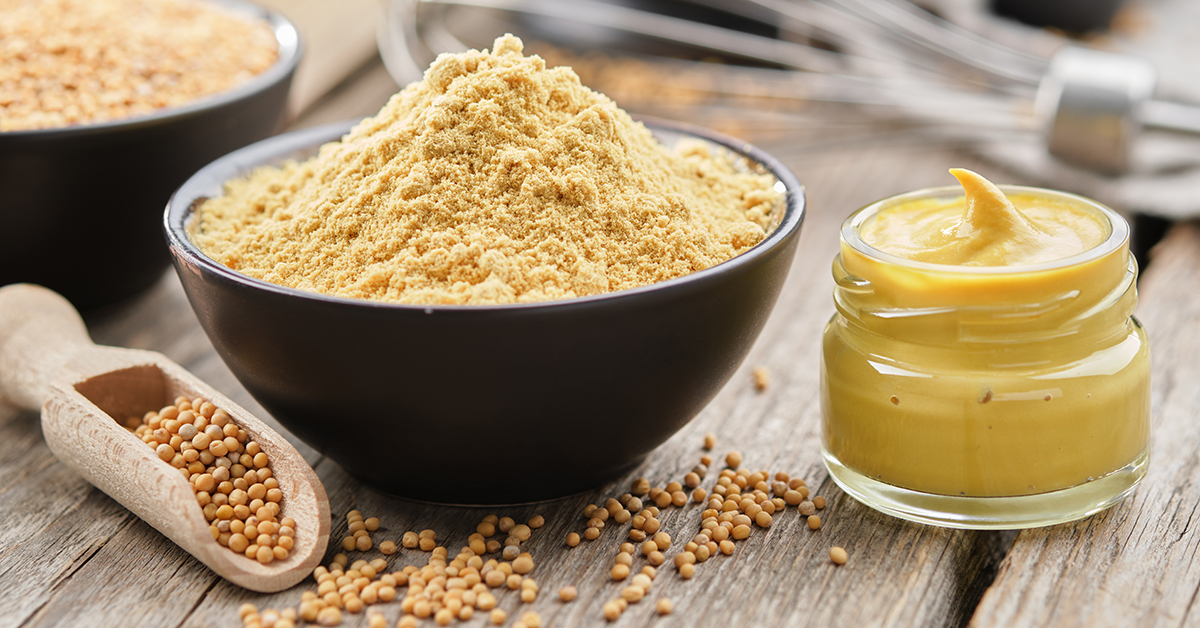
Recent notable incidents include peanut protein unexpectedly detected in imported garlic (raw and processed) and prepared mustard, resulting in recalls of multiple products – ranging from herbs and spice blends to ready meals. Another example is mustard unexpectedly detected in wheat-containing materials, affecting bread and pasta throughout Europe .
The challenge of allergen management can be further complicated by the multiple options of analytical testing available as well as limitations of information sharing within the supply chain, resulting in a complex decision-making process.
We are able to fully support clients navigating unexpected or concerning allergen test results – from selecting test markers/methods and interpreting results, through to responding to and investigating a contamination issue, and strengthening your allergen controls.
Choosing the right test method
Many methodologies are available for food allergen testing, and their selection needs careful consideration of the most appropriate test(s) for the situation, the product and the question being asked, with the correct choice supporting the interpretation of results.
Milk detection is an example where multiple methodologies, tests and targets are readily available. The selection should be based on the situation, sample type and process that the sample has been exposed to. Other considerations for testing include market of sale, legislative guidance, analytical sensitivity and test limitation (such as cross reactivity). See our worked example for more information.
One of the major considerations during the selection of analytical testing is whether to target the potential allergic reaction-inducing proteins or the DNA of the foodstuff. Fish detection is an example where DNA detection allows for multiple fish to be targeted, rather than an individual protein found in a single fish. For mustard detection, a combination of DNA testing alongside ELISA testing can help to provide more information when crops have been grown near to botanically closely related plants which can cause analytical cross reactivity.
We offer a selection of methods, including:
- Protein detection by ELISA
- DNA based detection by PCR testing
- Sugar detection via HPLC
- Chemical based detection (SO2)
- Lateral flow device (LFD) testing validation support
We are able to support clients with emergency sample processing when responding to incidents.
We ensure you understand not only what was detected but why.
Additionally, we look at the whole picture by providing:
- Cross laboratory method comparison and validation
- Advice on the impact of matrix effects, detection limits and method sensitivity
- Interpretation of inconsistent lab results
- Analysis programme design support
- Advice on investigative-based testing
Interpreting results – from data to decisions
Allergen detection alone doesn't reveal the full picture, which is why expertise in results interpretation is invaluable. We are able to look at your results in the context of your situation and provide the information that you need.
Having the knowledge and expertise to interpret allergen test results effectively can help you determine:
- What the result means for you
- What the next stage for your business is
- Whether additional testing is appropriate and needed
- Possible sources of the contamination
- If the results indicate that allergen presence is sporadic or widespread
- Potential sources of allergenic material – raw materials, processing, handling or cross-contact
- If the result provides evidence to trigger a recall, reformulation or further investigation
We provide clients with the scientific clarification that their technical, quality and regulatory teams need to produce safe foods.
Our allergen specialists can help you interpret:
- Variability between testing labs
- Detection of DNA vs allergenic protein
- Possibility of cross reactivity with botanically related species
- Heterogeneous contamination (e.g. one positive batch among many negatives)
- Raw material vulnerability analyses
Incident management and root cause analysis
When allergen contamination enters the supply chain, it requires a rapid, controlled, defensible response and a thorough investigation to find the cause.
To support your incident response, we can:
- Provide immediate technical and regulatory guidance
- Support communicating of evidence to enforcement authorities
- Conduct interim risk assessments aligned to FSA and GFSI expectations
- Help you determine a clear, robust action plan
The next stage is the continuation of the investigation into the source of the contamination / potential contamination. Finding and addressing the true root cause of an incident is incredibly important to prevent reoccurrence but can be challenging to achieve in practice.
We help you understand where vulnerabilities truly lie, and how to address them.
To help you find the root cause, we can support you with:
- End-to-end traceability review
- Supplier vulnerability assessment and supplier approval / supplier audit questionnaires (SAQ) analysis
- Farm-to-factory risk mapping (particularly critical in complex supply chains such as spices and garlic)
- Cross-contact pathway modelling
- On-site inspections and environment mapping
- Recommendations for corrective actions
- Continuous improvement guidance
These services are crucial in incidents such as the above example of peanut contamination in garlic (or mustard contamination in wheat flour) or similar, which have been linked to agricultural co-production (e.g. garlic and peanuts grown on the same land during crop rotation cycles) / co-storage / co-transportation, shared drying facilities, and limited traceability in certain regions.
Futureproofing – strengthening your allergen controls
A robust allergen management system is essential to protect consumers, ensure regulatory compliance and maintain brand integrity. It helps prevent unintended allergen cross contact, reduces the risk of costly recalls and incidents, and builds trust with customers and supply chain partners. Effective allergen management relies on clear risk assessment, accurate product and ingredient information, validated cleaning and segregation controls, and consistent communication across the supply chain. However, achieving this can be challenging without structured processes and reliable data.
Strengthening allergen control frameworks and improving transparency enables businesses to make more confident, risk based decisions and demonstrate due diligence.
When issues do arise, robust action plans for correction, mitigation and recovery are critical to ensure risks are effectively controlled and normal operations are restored quickly and safely. Having these measures in place supports resilience and minimises potential impact.
Once immediate risks have been addressed, we can support you in optimising your existing processes and procedures, ensuring alignment with best practice. This enables a more holistic approach to allergen management, helping you confidently maintain the safety and quality of your products while strengthening long term capability.
Our consultants help you futureproof by strengthening your allergen controls. This could include:
- Updated allergen risk assessments
- Allergen compliance reviews against GFSI standards (e.g. BRCGS, FSSC 22000, SQF)
- Supplier approval and monitoring improvements
- Ongoing analytics to monitor high-risk raw materials
- Cleaning validation & verification programmes
- Product label review (including precautionary allergen labelling (PAL) decisions)
- Allergen management training for your teams
- Allergen and food safety culture improvements
The outcome? Fewer surprises, stronger supply chain confidence, and better protection for your customers, consumers and brand.
Download our FREE Managing Food Allergens eBook today! Secure food safety, control and confidence through effective allergen management

Here to help at every stage – testing, interpretation, investigation and beyond
Whether it’s peanut detected in garlic or other spices, mustard in spices or wheat, celery in herbs, or any other unexpected or concerning allergen test result, we are here to help.
We offer end-to-end allergen support, from emergency testing through to root cause analysis and long-term management.
Get in touch for an immediate incident support consultation, or to arrange a supplier vulnerability review or schedule an allergen testing and interpretation package.

About Wendy Duncan
Wendy has over 25 years’ experience in the food manufacturing industry within the FMCG sector across the UK and Europe. Her career spans R&D, technical and nutrition roles, leading innovation and renovation projects across a wide range of categories including savoury and snacking, dressings, spreads, tea, plant-based products and ice cream.
She specialises in food allergen management and food safety systems. As allergen lead within the Campden BRI Food Safety Management Systems team, Wendy delivers training and consultancy to support clients in managing allergen risk and ensuring compliance.

About Marie-Anne Clarke
Marie leads the Allergen Testing and Biochemistry Molecular Biology teams. With over 20 years’ experience in analytical science, she supports food and beverage businesses through complex technical, regulatory and quality challenges, delivering practical, science-led solutions.
Her expertise spans analytical testing, allergen risk management, molecular detection methods, species authenticity verification, and GMO analysis. Marie works closely with manufacturers, retailers and ingredient suppliers to design and implement robust analytical testing strategies, validate laboratory methods, investigate contamination incidents, and interpret complex laboratory data to support compliance and risk mitigation.
Through consultancy projects, she helps organisations strengthen quality assurance frameworks, optimise testing programmes, troubleshoot analytical challenges, and align with UK and international food safety requirements.
She is experienced in allergen cleaning validation and verification (for both allergen management and reusable containers), laboratory best practice, and unravelling analytical results to enhance understanding.
Marie brings practical insight from hands-on analytical testing and consultancy assignments, sharing real-world case studies on risk management, regulatory expectations, method validation, and best practice in allergen and molecular testing strategy.
Managing food allergens with confidence
Protect consumers. Safeguard your brand. Strengthen compliance.
Unexpected allergen detection?
Don’t be in doubt – get the full picture. Speak to our allergen experts today.