
HPP kill steps for food and drink: Benefits, shelf-life opportunities and robust process validation
24 July 2026 | Robbie McGill, Non-Thermal Process Specialist, and Rob Limburn, Section Lead (Industrial Process Microbiology) and Deputy Head of Microbiology
High pressure processing (HPP) is now widely used to inactivate microorganisms in various food and drink products, providing a range of benefits – including extending product shelf-life. But, as with any kill step, the process must be validated robustly using the worst-case combination of process parameters and product matrix factors.
Here we look at how HPP works, the applications, benefits and opportunities that it offers, and factors to consider for robust validation of HPP processes.
How high pressure processing works
High pressure processing (HPP), as currently used commercially, is a non-thermal pasteurisation process in which a food is subjected to pressures of up to 600 MPa (6000 bar) for a given period of time.
Pressure generation is mechanical, applied through a fluid (water), and is transmitted to the product. A small temperature rise is observed as a result of compression (typically around 3 to 4°C per 100 MPa of applied pressure) but can vary depending on the food product.
HPP applications and benefits
The high pressures used in HPP can inactivate vegetative microorganisms, yeasts, moulds and certain enzymes. The extent of microbiological inactivation is affected by many factors, including the intrinsic properties of the food (such as its pH, water activity, fat content, protein content, mineral and sugar content), the microbiological growth phase and the pressure, temperature and time combinations that are applied.
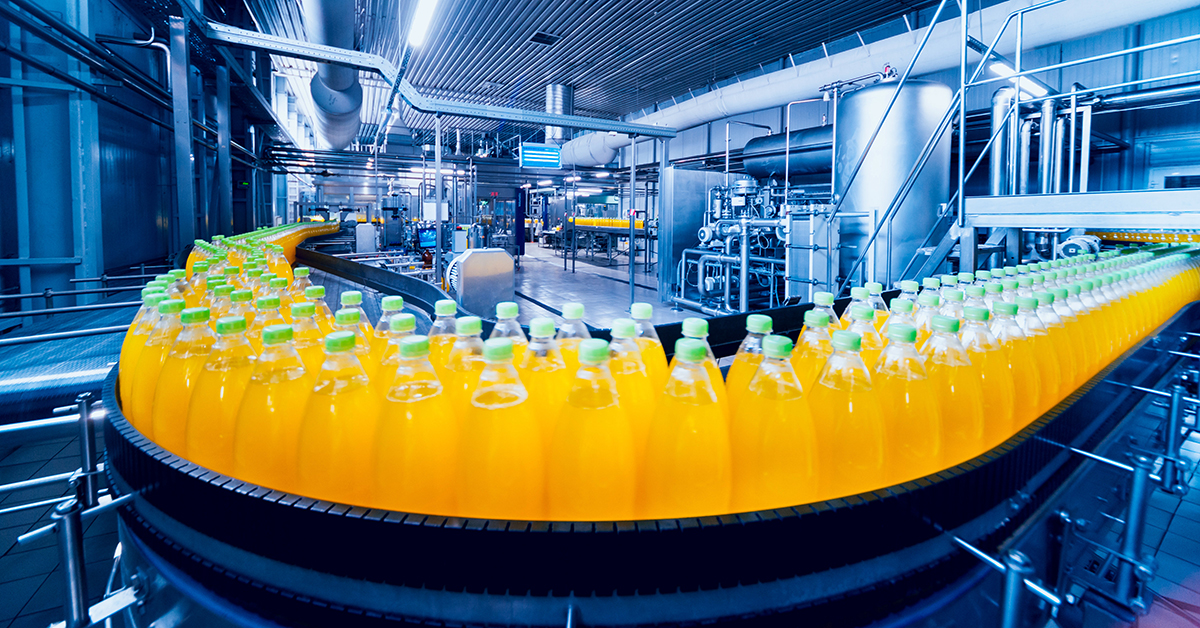
The essentially non-thermal nature of high pressure pasteurisation makes it an excellent process for preserving the ‘fresh-like’ characteristics of foods, as well as for overcoming issues whereby certain products/ingredients are adversely impacted by other (thermal) decontamination technologies. Typical HPP pasteurisation applications include juices, avocado, soft cheeses and drinks. HPP is also a technology worth exploring for new ingredients, especially active ingredients that are negatively impacted by traditional thermal processes.
Benefits include:
- Non-thermal pasteurisation keeps the “fresh-like” characteristics of products;
- In-container pasteurisation (less potential for post process contamination);
- Processing outcome is independent of sample volume and geometry (unlike for thermal processing kill steps);
- Longer shelf-life than raw products, with improved safety;
- Rapid processing with typical cycle times of up to 5 minutes.
There are limitations, however. Bacterial spores are very resistant to commercially achievable pressures. As a result, products that are currently on the market tend to be chilled and/or contain additional preservation hurdles such as pH, water activity control or other combinations of factors that have been demonstrated to prevent the growth of spores such as psychotropic Clostridium botulinum.
HPP and shelf-life
Typically, HPP has the potential to extend applicable food / drink shelf-life by 3 or 4 times, depending on the product.
For products such as high acid juices, this can be much higher (with cold pressed juices having a 7-day shelf-life, compared with HPP juices typically achieving 30 to 60 days, with some instances above 100 days). The shelf-life of dips and guacamole products can typically increase from 14-30 days to 35-50 days with HPP. Additionally, this benefit is not just for food products – with good control of water activity, some beauty products processed with HPP can achieve 60 to 100 days shelf-life.
As with all processes that impact microbiological shelf-life for food and drink, product shelf-life should be established through microbiological testing to ensure this remains in specification throughout the stated shelf-life.
The importance of robust process validation for HPP
Just as with thermal processing, where a microbial inactivation process is a critical control point in a food safety plan, a worst-case validation must be conducted to establish that the HPP process is effective, repeatable and consistently produces safe product.
Unlike thermal processing, relatively newer and less common food processing technologies will not have a long history of validation data and experience to back up general assumptions. In the absence of such data, it is therefore important to validate HPP products on a case-by-case basis, and this may even mean that the effectiveness of a particular process must be re-evaluated for individual products.
Process validation is a well-known concept for the thermal treatment of food and beverages, with well-defined process parameters (such as target organism, product processing temperature, ‘hold time’ duration and come-up time). With validations always considering the worst case for these factors.
This same validation principle is also applied to HPP processing, although the measured parameters will be different (e.g. one will be the hold pressure). Unlike thermal processing, however, there are lesser-known factors that should be addressed to determine whether they influence the microbial inactivation effectiveness (or ‘killing power’) of the HPP process.
FREE webinar - Shelf-life confidence Webinar: Design it, prove it, improve it
This webinar, we will explore the full cycle of the shelf-life management system. We will share insights to help you design products to achieve the right shelf-life, validate it with data, and diagnose and fix failures when they occur.

Our research into ensuring worst-case is understood and validated
We have completed a research study into these lesser known, or “forgotten”, factors to determine if they do indeed influence the killing power of HPP processes, and whether these are significant enough to warrant consideration when validating.
The study aimed to answer:
Does a change in food composition significantly affect the microbiological kill of a HPP system?
We found that there are factors – outside those that are commonly stated in the majority of validations – that can have a significant and substantial effect on the log reduction achieved.
Oil content was found to have a significant and substantial effect on the killing power of the HPP system for a variety of the most common food pathogens. The range of oil content tested varied the reduction achieved by more than 1 log (reduction in the level of microorganisms, in colony forming units per gram).
Members can see the full details, findings and conclusions via the R&D report and linked Research Summary Sheet.
We concluded that food properties can influence the log reduction for some microorganisms in some foodstuffs and that these properties should therefore be considered when validating HPP and UV-C systems (UV-C was also included in the study).
Improper consideration of all contributing factors can lead to processes that are not correctly validated when the food matrix of a product changes.
Product recipes can make a substantial and significant difference in the validation of a process.
Benefit from HPP through robust validation
High pressure processing has a range of applications and benefits, but needs to be robustly validated when used as a microbial inactivation process / kill step.
We have a HPP test rig in our microbiology process hall, which allows us to directly test the lethality of defined HPP process conditions towards vegetative pathogens such as Salmonella, Listeria and Escherichia coli as well as key spoilage organisms such as yeasts, moulds or lactic acid bacteria in your products, providing you with robust validation data.
We can help clients to ensure the safety of a HPP validated product by determining the envelope of relevant conditions that the product might exist in.
Our dedicated team of industrial process microbiology experts are experienced in experimental design and application of international best practice guidance on microbiological challenge testing for inactivation potential (e.g. ISO 20976-2:2022). To ensure that your validation represents worst-case, we screen to work out the worst-case matrix before starting the full validation work.
How we can help:
- Validation work – robust, worst-case;
- Optimising existing regimes (and validation thereof);
- Bespoke training in high pressure processing validation.
As experts in process validation, we understand the key considerations and can provide a thorough, bespoke proposal, undertaking testing with a conscientious regard to all factors. We consider the nuances of processing food and the factors that may influence process validations, such as the variability involved in the vast array of different processes, regimes and products.
We can validate thermal and non-thermal processes, including both established and new / emerging technologies. Plus, we have the expertise and resources to conduct validations off-site or on-site / in situ.
Download the complete Maximising Shelf-life eBook, for free, to unlock the tools for measuring and maximising the shelf-life of your food and drink products whilst ensuring their safety and quality.
Your partner for designing, validating and troubleshooting food and drink shelf-life
We provide tailored, expert support in all areas of shelf-life evaluation, maximisation and extension.
Our specialists work together to provide integrated solutions – helping you understand what limits shelf-life, generate the right evidence, and make confident decisions across product innovation, microbiology, chemistry, sensory, quality, processing, packaging, and regulatory considerations.
Whether you are developing/launching a new product, extending shelf-life for an existing product or investigating a failure, we provide the technical depth and practical insight needed to move forward with confidence.

About Robbie McGill
Robbie joined Campden BRI in 2018 after obtaining his master’s degree in advanced chemical and process engineering from the University of Strathclyde. Robbie now works as a non-thermal specialist in the Process Innovation team within the consulting technology department, providing feasibility testing, validation, and training in many novel processes. Robbie has also undertaken many research projects and has published multiple New Technologies bulletins.

About Rob Limburn
Rob has worked in Microbiology here within both Methods Research and Industrial Process Microbiology. He has been working in the food industry since 2004 and also has experience in allergens testing and authenticity testing.
How can we help?
If you’d like support applying or validating HPP, get in touch.
More on shelf life
Your one-stop shop for food and drink shelf-life: From product development and validation to troubleshooting and extension.