
Benefit from our latest research
5 December 2025 | Martin Whitworth, Principal Scientist
The needs of the food and drink industry are constantly evolving, driven by new technologies, consumer demand and competitive, regulatory and sustainability pressures. Our research programme is designed to address emerging challenges and opportunities.
We invest in research to support our members and clients, develop our capabilities and services, and remain competitive.
Our research themes – food safety, diet and health, digitalisation, sustainability, and affordability – are focused on delivering commercial benefits to our members.
Here we cover some of the latest research projects, including some exciting services available as a result.
Innovate UK and BBSRC projects
UKRI funding channels, such as Innovate UK and BBSRC, are some of our research funding mechanisms, alongside private contract projects and our own Research Investment Programme.
Some of the Innovate UK projects in which we are involved include:
- Modern Baker Alternative-Nutrition Food Technology Blend: Enhancing the nutritional value of multiple commonly eaten products.
- Development of Hollow-fibre Bioreactor Technology to enable resource-efficient cultivated meat production – see
abstract and
our MIG presentation Development of Cultivated Meat Capabilities.
- We are trialling this technology in our pilot plant.
- Production of Spirulina Protein through PEF-Enhanced Recovery – see abstract
- UV Treatment Of Powders – see abstract
We also collaborate with universities and other institutions on other UKRI projects. An example is this BBSRC-funded project:
- Unlocking the potential of wheat grain heterogeneity using machine vision.
- We have pioneered the use of hyperspectral imaging technology to map food composition (see R&D 324 and compositional mapping of food).
- We supervised a PhD project that applied the method for grain and seed classification (Industry-academia partnership delivers high impact PhD).
- The current project (see abstract ) applies that technology to study wheat heterogeneity and the genetic causes. An example of other work from the project was provided in a MIG presentation by Kate Dugina.
The Campden BRI Research Investment programme
Here we provide an overview of some of our own projects, including links to further information and how we can help in these areas.
Smart process optimisation software
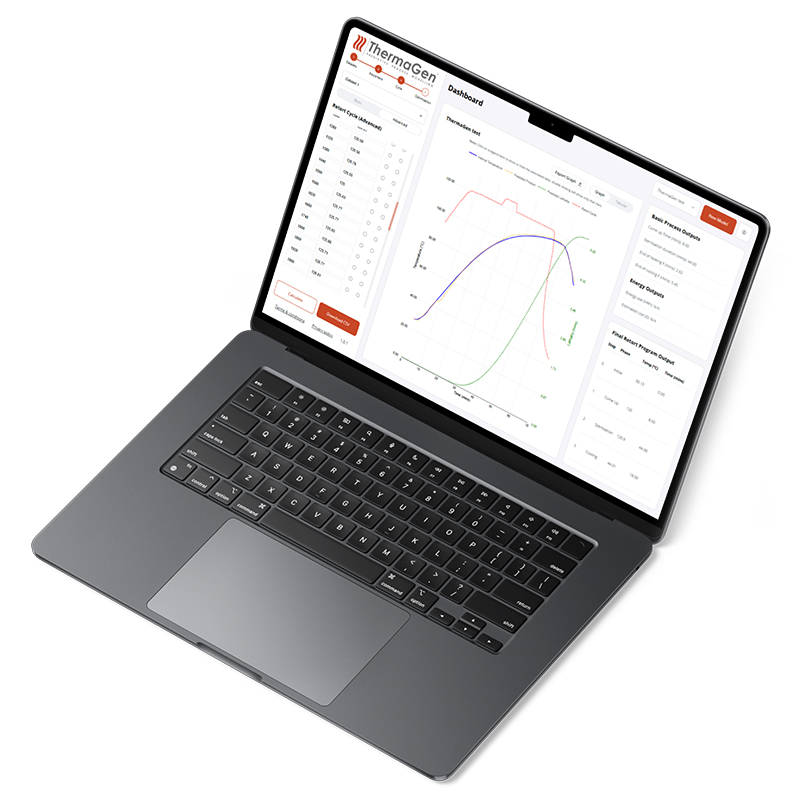
In this project, we developed software to predict the effect of changes in thermal processing conditions – to allow users to optimise a thermal process quickly and efficiently, via the three-way predictive analysis of energy costs, microbiological safety (process lethality) and quality optimisation.
Our ThermaGen™ software was launched in May 2025 and is available as a web-based tool on a subscription basis.
ThermaGen™ - The next generation of thermal processing software
Save time and money with ThermaGen™ a cloud-based application providing predictive calculation capability for those working with industrial thermal processing of food and beverage products.
Effectiveness and application of natural antimicrobials
While there is growing interest and opportunity in the wide range of natural antimicrobial products available, there is a gap in understanding about their application and effectiveness in real-life food systems.
Read our blog to learn more about how we are addressing this gap for food manufacturers, our research into the application and effectiveness of natural antimicrobials, and how we can support those wanting to add natural antimicrobials into their food products.
Flash pasteurisation of beer
Current pasteurisation regimes for beer have been challenged by Rachon et al. (2018) and shown to excessively heat beer products, far above the level required to ensure destruction of all spoilage microorganisms.
The goal of this work is to establish an accurate model for the minimum pasteurisation requirements of beer, facilitating pasteurisation optimisation to protect the organoleptic properties of the beer, save time / energy / costs, and improve sustainability.
Check out our video on investigating the value of pasteurisation optimisation for beverages.
Survival of pathogens in non-alcoholic beers
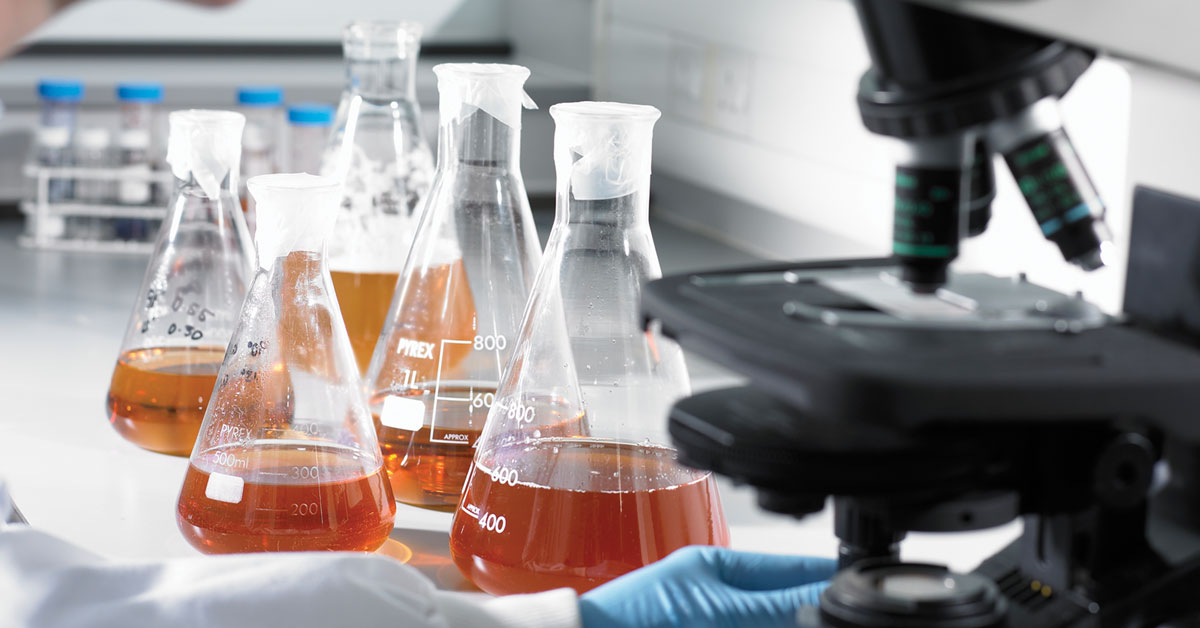
Traditional alcoholic beers are safe but once the alcohol is removed there can be increased risks. The aim of this research was to determine whether pathogens were present in packaged alcohol-free and low alcohol beers, whether pathogens can survive or grow in them, and the impact of pH and bitterness on the growth and survival of pathogens.
For more information see our blog – Exploring the pathogenic challenges and uncertainties with low/no alcohol beer, and video – Examining the survival of pathogens in non-alcoholic beers.
Whole genome sequencing
We are developing our whole genome sequencing service to demonstrate its accuracy and effectiveness in identifying bacteria and yeasts to the highest level of identification currently possible. We are also tailoring this to the specific needs of our members by conducting additional research in probiotics, and in spoilage within the brewing industry.
We are now able to sequence the whole genome of an organism and match it against databases. Applications include:
- Assisting client troubleshooting;
- Supporting clients with assessment of live organisms;
- Identifying potential spoilage in isolates;
- Creating further new services to authenticate strains and explore fermentation cultures.
Safety, quality and functionality of plant-based meat alternatives
Although plant-based meat alternatives mimic meat products, the manufacturing and associated risks are different. This multi-disciplinary research project aimed to develop the improved understanding that the industry needs to support producers of plant-based products. To find out more, see our blog and 2025 research summary sheets.
These are just a few examples of our research projects. For our full list of projects, more information and outputs, visit our research projects page.
PhD studentships
We work closely with academic institutions and welcome suggestions for PhD studentships, as well as encouraging undergraduate students to work with us as part of their studies. The Food Consortium Collaborative Training Partnership (CTP) brings us together with food manufacturers and academia to support a cohort of PhD students through their studies and to provide industry specific training.
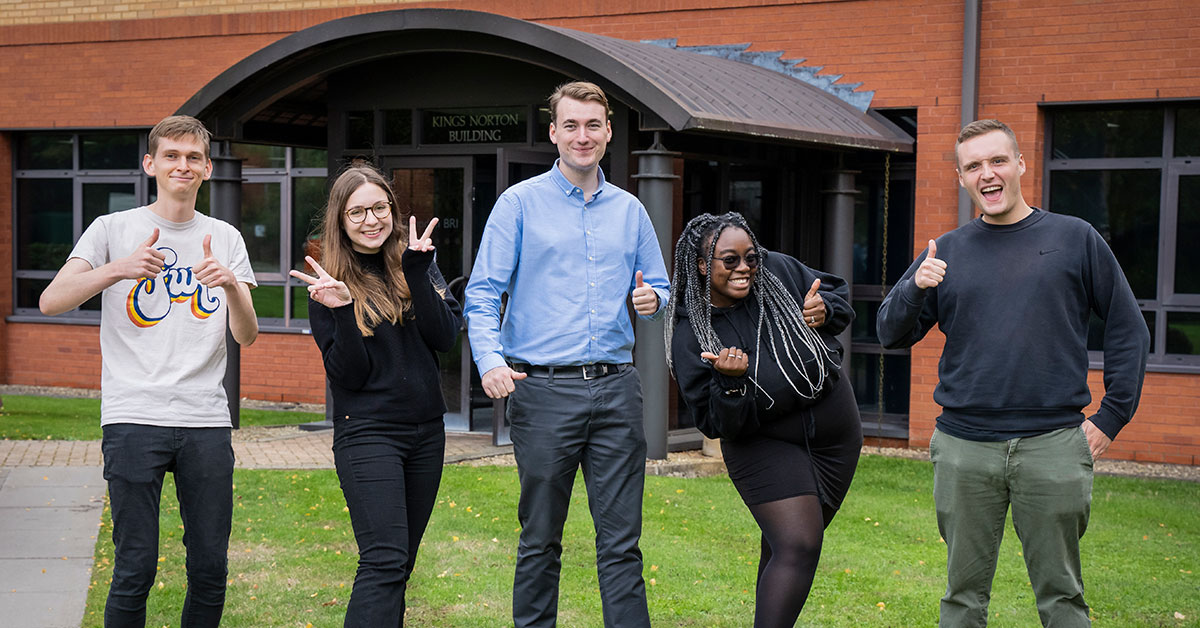
Students at Campden BRI
Recently completed PhD studentships include:
- Current and emerging allergens in food production systems – Chris James, University of Nottingham.
- Related blogs include:
- Intelligent automation for hygiene – Amie Owen, University of Lincoln.
- This was a computer science project that studied the use of agents to schedule food production tasks based on risk – case studies included factory cleaning tasks and robot collection of strawberries on a farm.
- Virtual reality for consumer studies – Imogen Barker, University of Nottingham.
- Imogen studied the use of mixed reality goggles for consumer work, based on wine and crisps – see this video of Imogen presenting her work: Improving immersive consumption contexts using virtual and mixed reality
Ongoing PhD studentships include:
- A model for the accurate pasteurisation of beer with yeast ascospores – Chris Raleigh, University of Nottingham.
- A related blog is:
- Towards healthier and more sustainable digital food environments – Lewis Wallis (Regulatory and Nutrition Affairs Advisor), University of Leeds.
- See Lewis’s blog and LinkedIn profile
- Impact of fibre and nutrient bio-accessibility on gut microbiota (Food Consortium) – Stefan Harper, University of East Anglia.
- The use of agricultural waste streams as feedstocks for cultivated meat (also Food Consortium) – Lucy Wilkinson, University of Bath.
- Lucy presented to our Raw Materials and Ingredients MIG: The use of agricultural waste streams as feedstocks for cultivated meat.
Leverage our research for your business
We have been undertaking pioneering research for over 100 years, and continue to invest in this to address emerging challenges and opportunities for our members and clients. More information about our projects can be found on our research projects page, as well as in our research reports (members only) and research summary sheets (members only).
We provide a wide range of services and products, all underpinned by investment in meaningful research and science. Recent developments include our ThermaGen™ software, natural antimicrobial efficacy testing and pasteurisation optimisation service.
If you would like us to be part of your research and development consortium, want to access our services, or need support with securing funding, get in touch with our experts.
As well as exclusive access to our latest research, our members receive unrivalled technical expertise and support. Visit our membership page for more information and the full list of member benefits. To further explore membership, get in touch with our Membership Team.

About Martin Whitworth
Martin has worked at Campden BRI and its predecessors since 1992. He has an MA and PhD in physics from Cambridge University, and an impressive number of food research publications from his time with us. He currently provides support and peer review for our research programme.
Martin specialises in physical characterisation of food products and ingredients including colour, structure and texture, with particular expertise in the application of imaging techniques and digital image analysis.
Martin has experience in cereal science and technology. He is a leading expert on bubble structure of doughs and baked products. He established our imaging laboratory, now part of our Food and Drink Microstructure team, which includes DigiEye colour imaging, hyperspectral NIR imaging and X-ray micro CT. He was the inventor of the C-Cell instrument for measurement of bread quality, and pioneered the use of X-ray tomography to study bread and cake structure during baking. He also carried out the initial research that led to the Branscan and Fluoroscan instruments for flour quality analysis.
Leverage our research for your business
If you would like us to be part of your research and development consortium, want to access our services, or need support with securing funding, get in touch with our experts.
Are you a Campden BRI member?
- If not, you’re missing out. Find out more about how you can benefit from our membership offering.