

Why accurate meat content analysis matters – and how the right lab can help
8 January 2026 | Danielle Cawdron, Chief Chemist
When numbers don’t match expectations
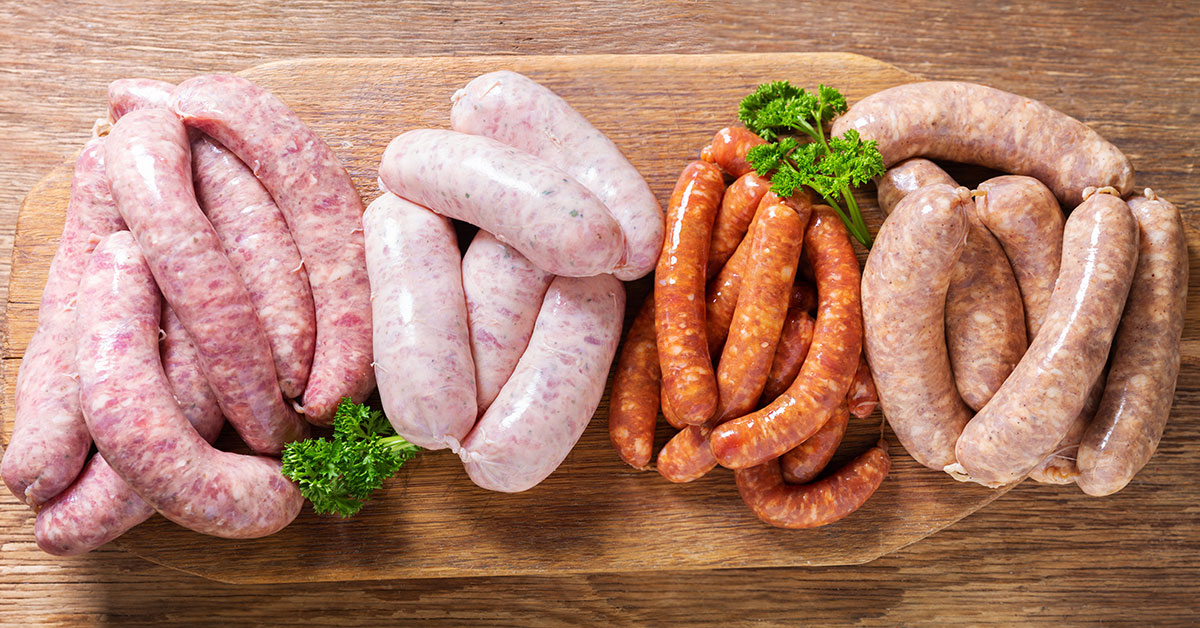
Picture this: a batch of your signature sausages tests lower in meat content than expected. Your recipe hasn’t changed, but regulators and customers need proof. What went wrong – and how can you prevent it?
Accurate meat content analysis isn’t just about compliance. It’s about trust, transparency and protecting your brand.
The challenges of meat content analysis
Measuring meat content might sound straightforward, but there are hidden complexities:
- Recipe variability: Different cuts of meat, fillers or added water can affect results.
- Supplier inconsistencies: Ingredient variations can influence protein or fat content.
- Processing factors: Cooking, mixing or curing can change meat proportions.
Even small differences can lead to significant discrepancies between expected and measured meat content.
Troubleshooting low meat content
When tests show lower-than-expected meat content, a good lab becomes your investigative partner:
- Pinpoint the cause: Identify whether low content is due to formulation, processing, or ingredient variation.
- Flexible testing methods: Use the most suitable approach – protein analysis, hydroxyproline measurement, or moisture/fat correction.
- Support recipe adjustments: Accurate data allows informed reformulation, reducing guesswork and cost.
Unexpected test results don’t have to mean bad news – they’re an opportunity to understand, improve, and protect your products.
How the right lab adds value
A skilled laboratory does more than provide numbers – they help you solve problems and make decisions.
- Interpret results in context; not just report them.
- Identify sources of variability or unexpected outcomes.
- Provide guidance on sample preparation, method selection, and reporting.
- Deliver timely, reliable results so you can act quickly.
Accurate meat content analysis is essential for product quality, regulatory compliance, and consumer trust. When discrepancies occur, the right laboratory helps you investigate, troubleshoot, and safeguard your brand – turning challenges into actionable insights.
Don’t let unexpected results catch you off guard. Partner with a laboratory that combines technical expertise with practical insight – and turn every result into an opportunity to improve and reassure your customers.
How we can help
As a leading independent provider of analysis and consultancy services to the global food industry, we have a wealth of experience supporting meat, poultry and seafood suppliers, manufacturers and retailers to overcome challenges.
We offer a comprehensive range of analytical services, consultancy services and training programmes to support the safety and quality of raw materials and semi-manufactured or finished products.
Some of our training courses relevant to meat, poultry and seafood include:
Tailored to your requirements and specifications, we offer a number of testing options. Our experts can work closely with you to design an adaptable testing/due diligence programme to suit your current and future business needs. We can also support you when new risks or legislation changes arise.
Contact us and speak to our experts. Our teams of analysts will quickly assess your requirements and design a suitable solution for your business.

About Danielle Cawdron
Danielle Cawdron joined Campden BRI in 2009 as a technician in the Chemistry and Biochemistry department having graduated with a Master's degree in Chemistry.
Danielle’s current role is Chromatography. Her key area of responsibility is concerned with the potential chemical migration from food contact materials into their packaged goods.
Danielle supervises all aspects of analytical and consultancy work of the group and is the primary client liaison point for all enquires relating to global legislative compliance for food contact materials as well as the practical aspects of undertaking migration testing.
How can we help?
If you’d like to find out more about meat content analysis, contact our support team to find out how we can help.
Meat, poultry and seafood analysis and testing
Find out more about the testing and other support that we offer for meat, poultry and seafood.