

Bacterial and fungal population profiling

To discuss your needs
Track the microflora of your food product and how it changes
With traditional culture-based methods, the types of agar, incubation temperature and duration used can all introduce biases which could mean that some organisms present in the sample are not identified.
DNA profiling allows us to determine the unique mix of microorganisms in a sample (its microbiome or microbial population profile) without needing to culture them in the lab.
By looking at the proportions of individual species within the food matrix, we can provide very detailed analysis and compare microbial populations against each other (e.g. comparing areas of a factory, comparing different food types, different products and different batches).
This can provide valuable information for contamination / spoilage investigations, reviewing factory hygiene and exploring the effects of manufacturing changes (e.g. changes in gas atmosphere, changes in cleaning regime, or even the change that a new piece of equipment) on the microflora of the product.
This type of profiling can also be used to track microbial populations, and how they change, throughout the full production process and during shelf-life – providing the understanding needed to make improvements and troubleshoot issues.
Microbiology support
Find out more about our comprehensive microbiology support and testing services.
Key services

Bacterial and fungal population profiling
Track the microflora of your food product and how it changes
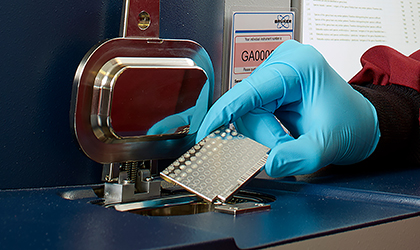
Rapid microbial identification through MALDI–ToF mass spectrometry
A fast, accurate, affordable service for species identification in food and drink
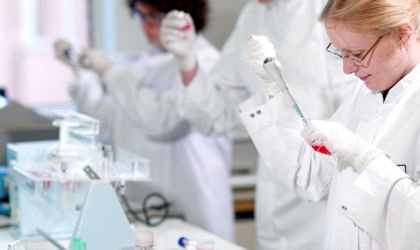
Microbiological analysis and testing
Covering pathogens, spoilage organisms, and indicator organisms
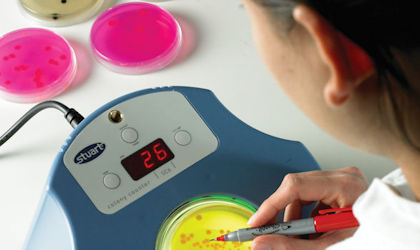

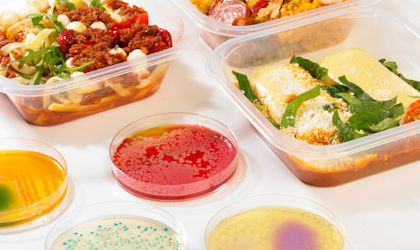
Microbiological shelf-life
Product safety, retaining sensory, microbiological and chemical characteristics.
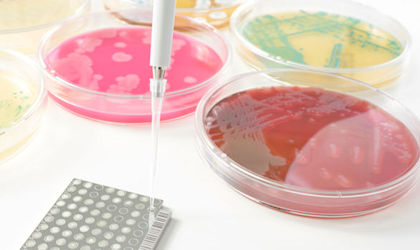
Microbiological methods evaluation
Evaluating microbiological methods, validation and interpretation.
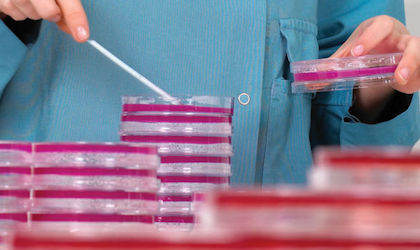
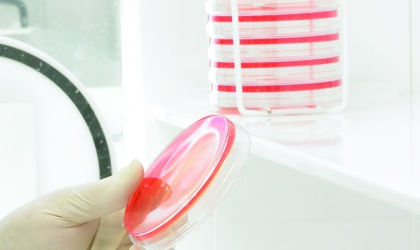
Heat resistance
Determine whether the process you are using will be sufficient to achieve your aims.
Detection and control of foodborne viruses
Foodborne viruses are a safety challenge for a range of foods.

COVID-19 (SARS-CoV-2)
Environmental testing and prevention to help the food industry control SARS-CoV-2.
Where we refer to UKAS Accreditation
The Campden BRI group companies listed below are accredited in accordance with the recognised International Standard ISO17025:2017 by the United Kingdom Accreditation Service (UKAS). The accreditation demonstrates technical competence for a defined scope of methods, specific to each site, as detailed in the schedules of accreditation bearing the testing laboratory number. The schedules may be revised from time to time and reissued by UKAS. The most recent issue of the schedules are available from the UKAS website www.ukas.com. Campden BRI (Chipping Campden) Limited is a UKAS accredited testing laboratory No. 1079